
Revision Rhinoplasty

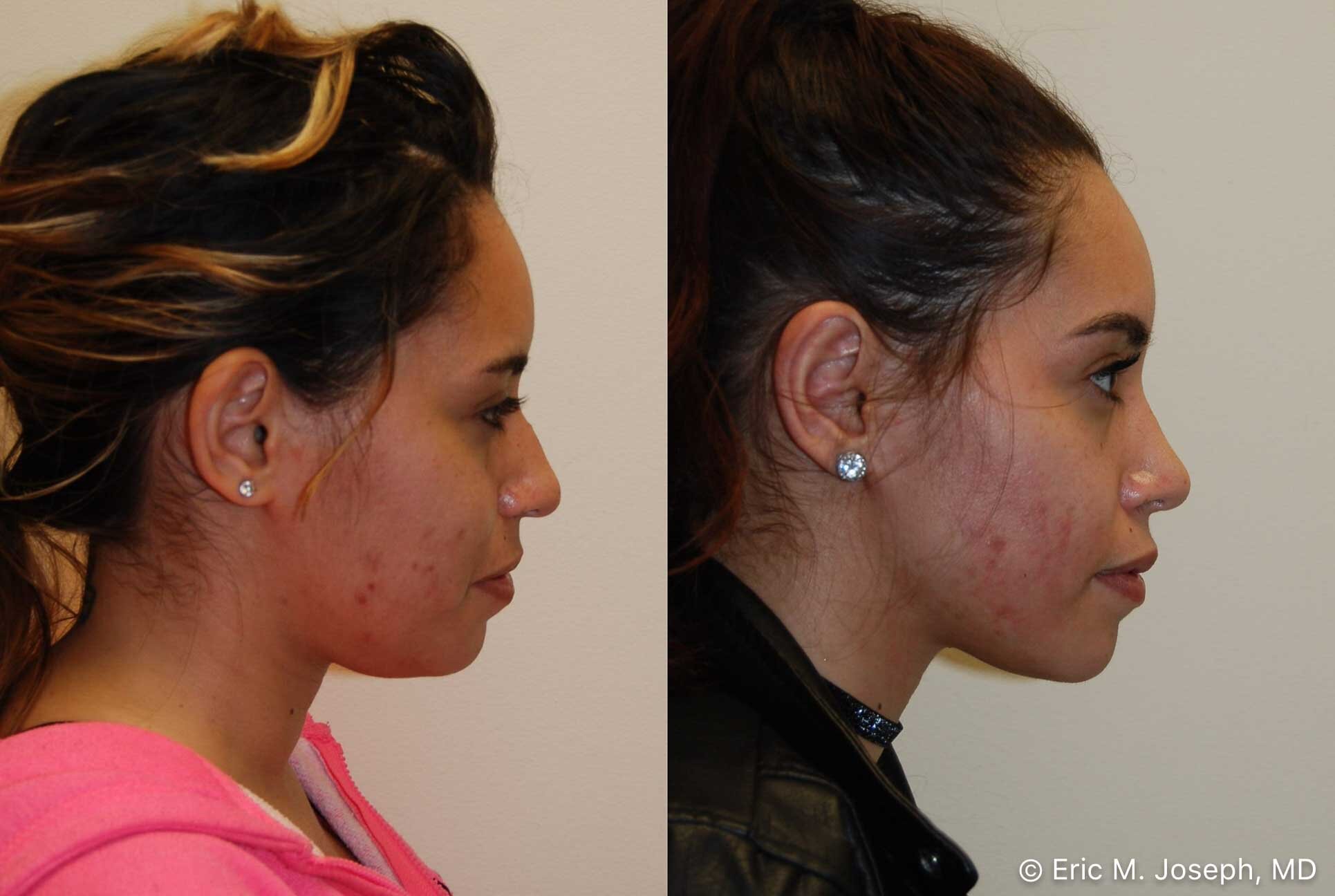
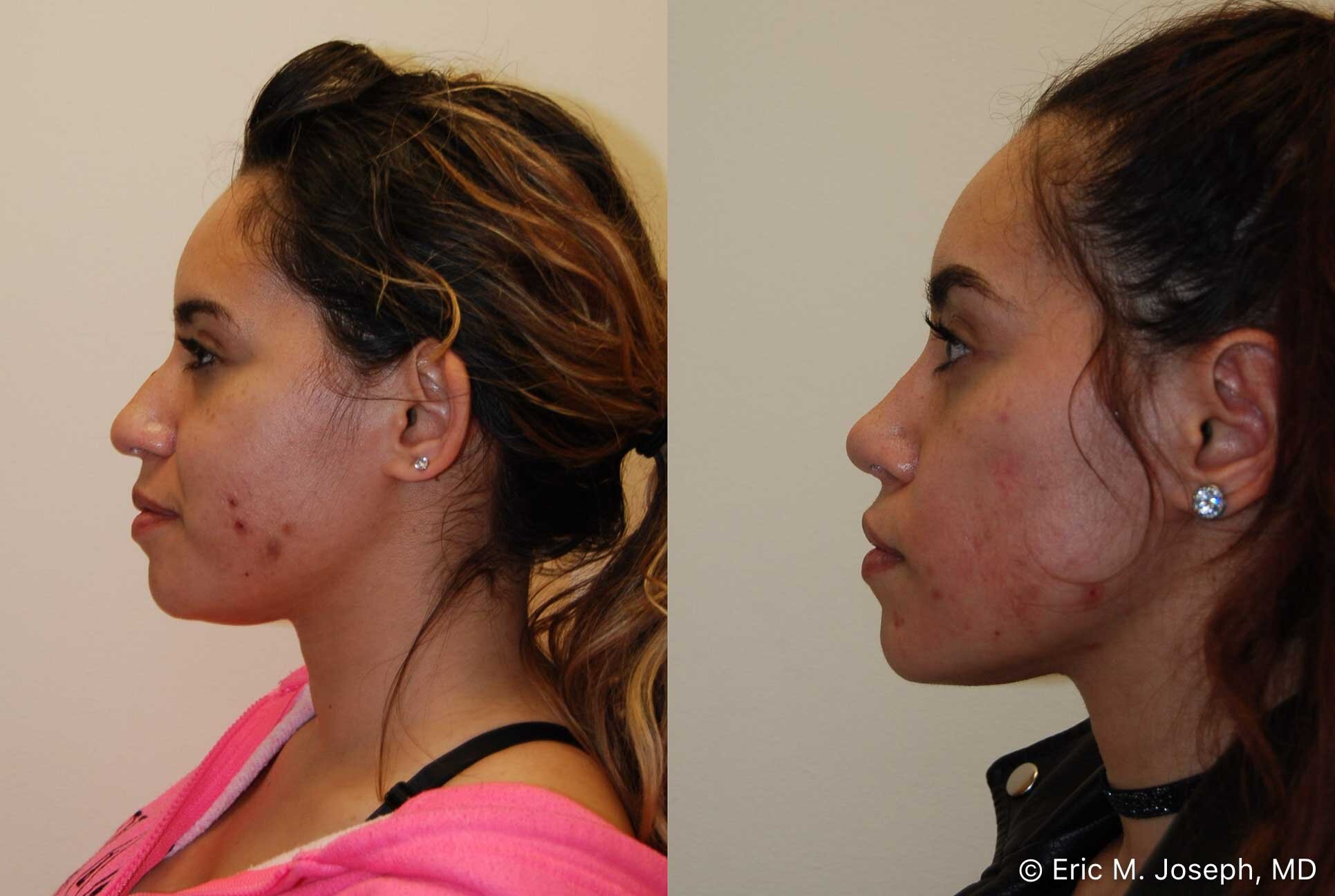
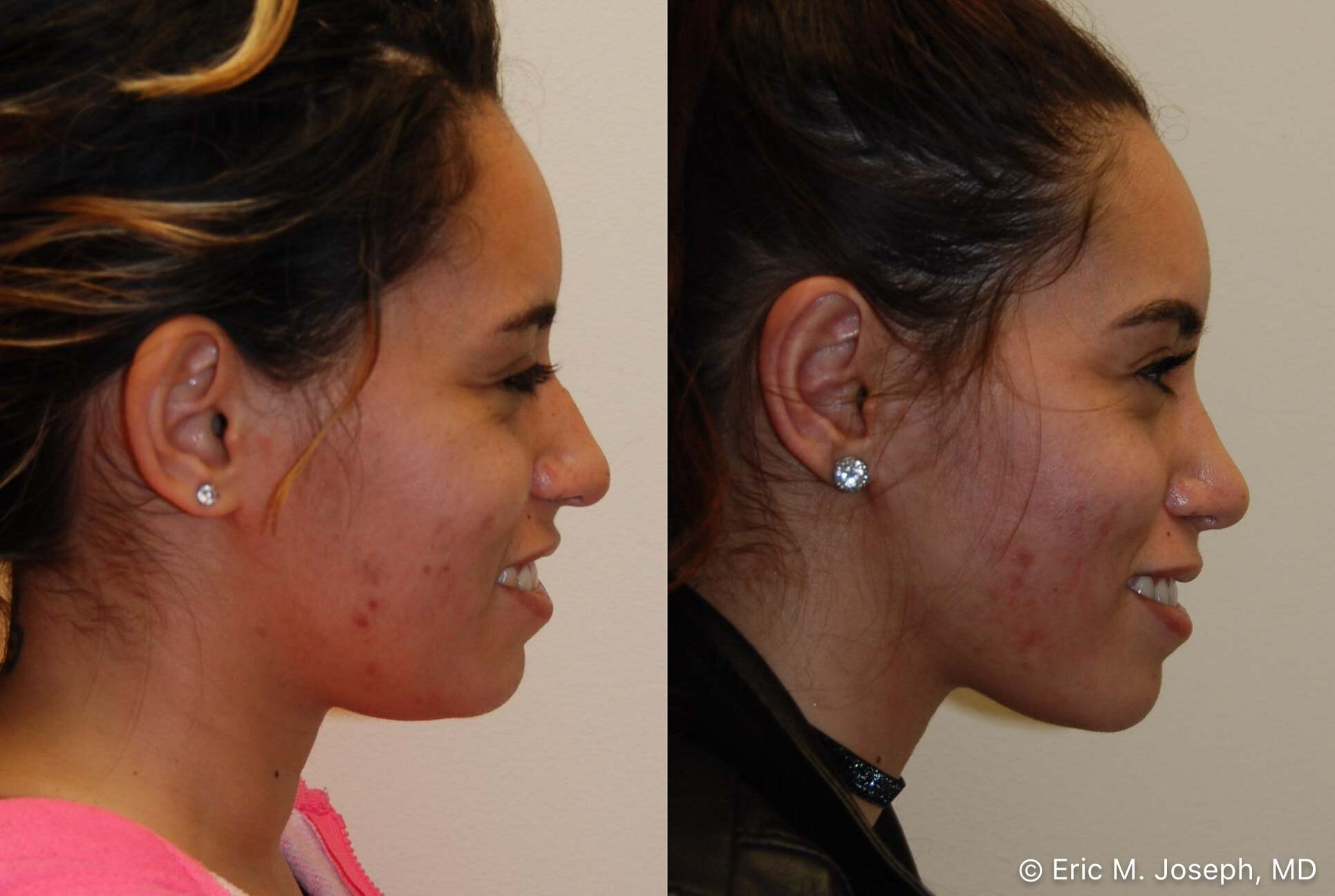
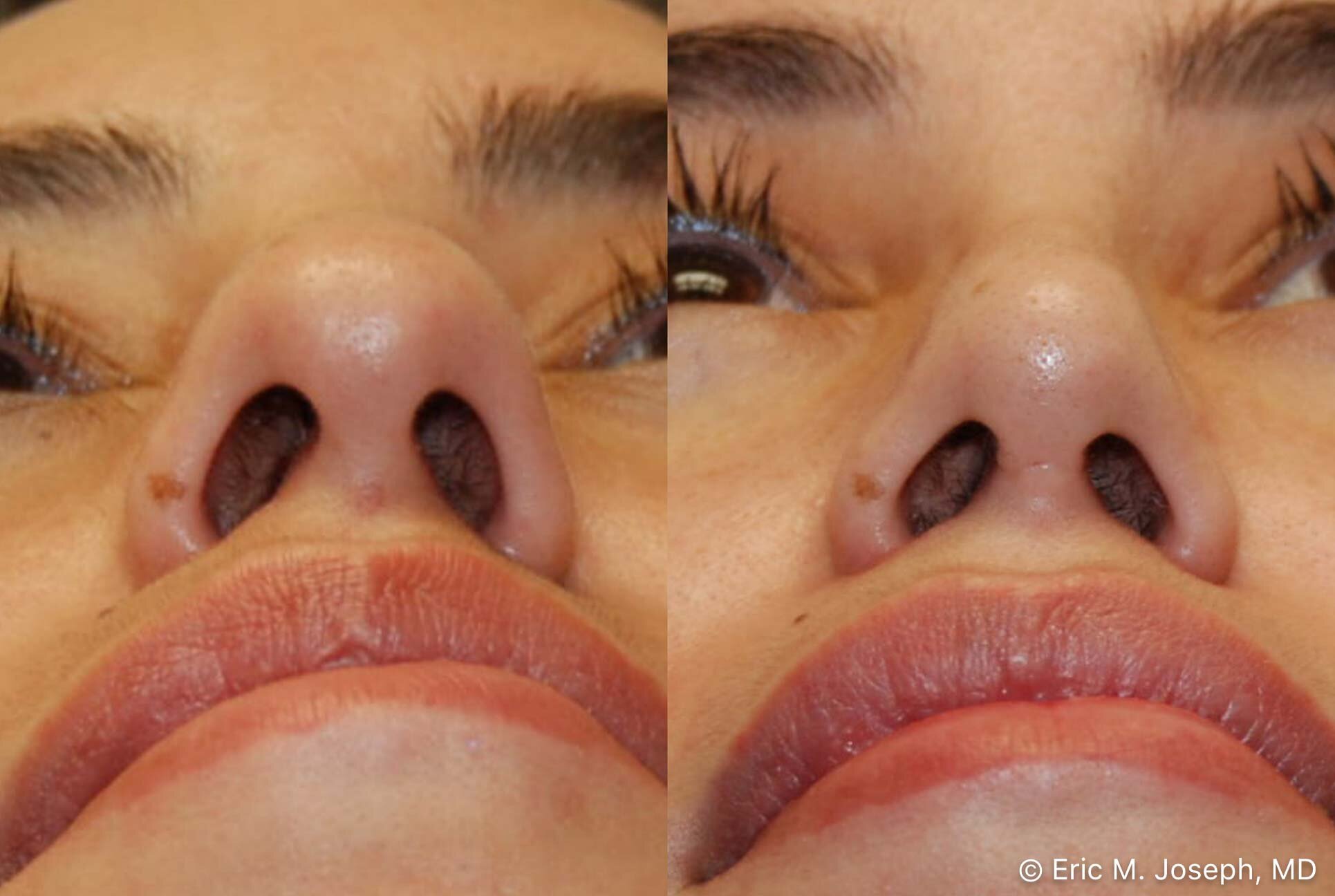
Revision Rhinoplasty Before & After: Dorsal Hump Removed

Revision Rhinoplasty #20

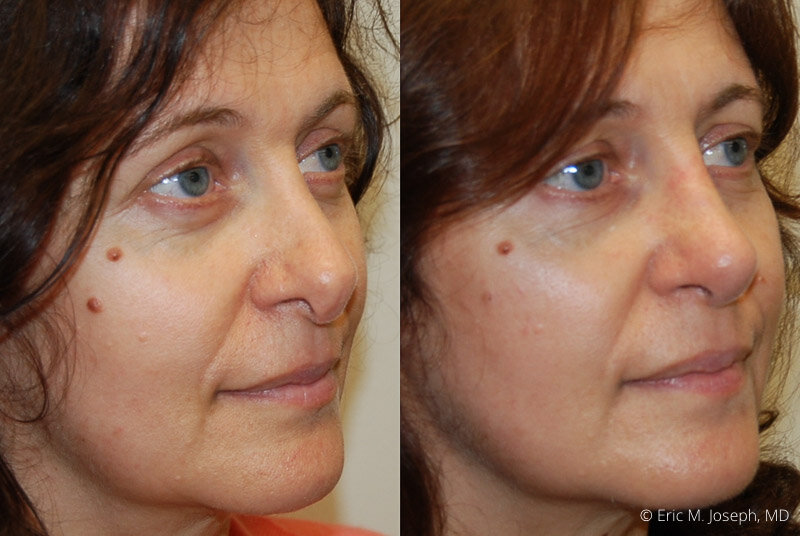
Our lovely patient is seen six months following revision rhinoplasty and otoplasty surgery to set back her outstanding ear appearance. After her first rhinoplasty, she was dissatisfied with a persistent dorsal hump and bulbous, droopy nasal tip appearance. She also was insecure about her ear appearance when her hair was in a ponytail. You can see a natural-looking ear appearance, and ears that don't stick out so far. Her otoplasty was performed with conchal setback sutures, and Mustarde sutures in both ears. Her nasal dorsal hump was removed, along with a nasal mole, and tip-plasty was performed.

Revision Rhinoplasty Before & After: Septoplasty and Hump Removal

Revision Rhinoplasty #18

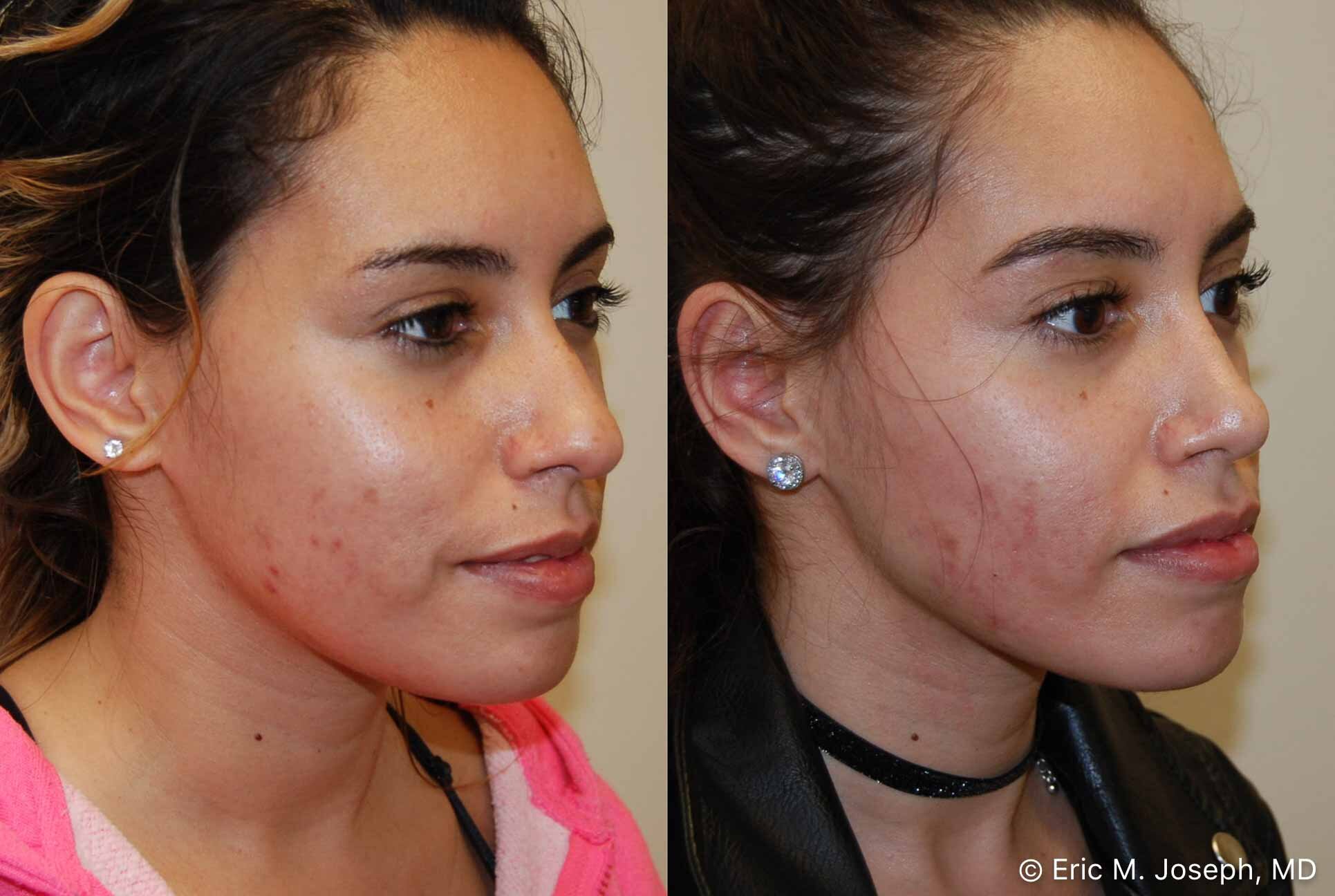
Our 27 year old patient is seen 1 year after functional and cosmetic Revision Rhinoplasty Surgery. She was not happy with her nasal appearance and breathing after rhinoplasty was performed elsewhere. Her repair consisted of septoplasty, tip-plasty with rotation, residual hump removal, and repair of her internal nasal valves for a better breathing, and less distracting nasal appearance.

Revision Rhinoplasty Before & After: Straightened Nasal Appearance

Revision Rhinoplasty #15

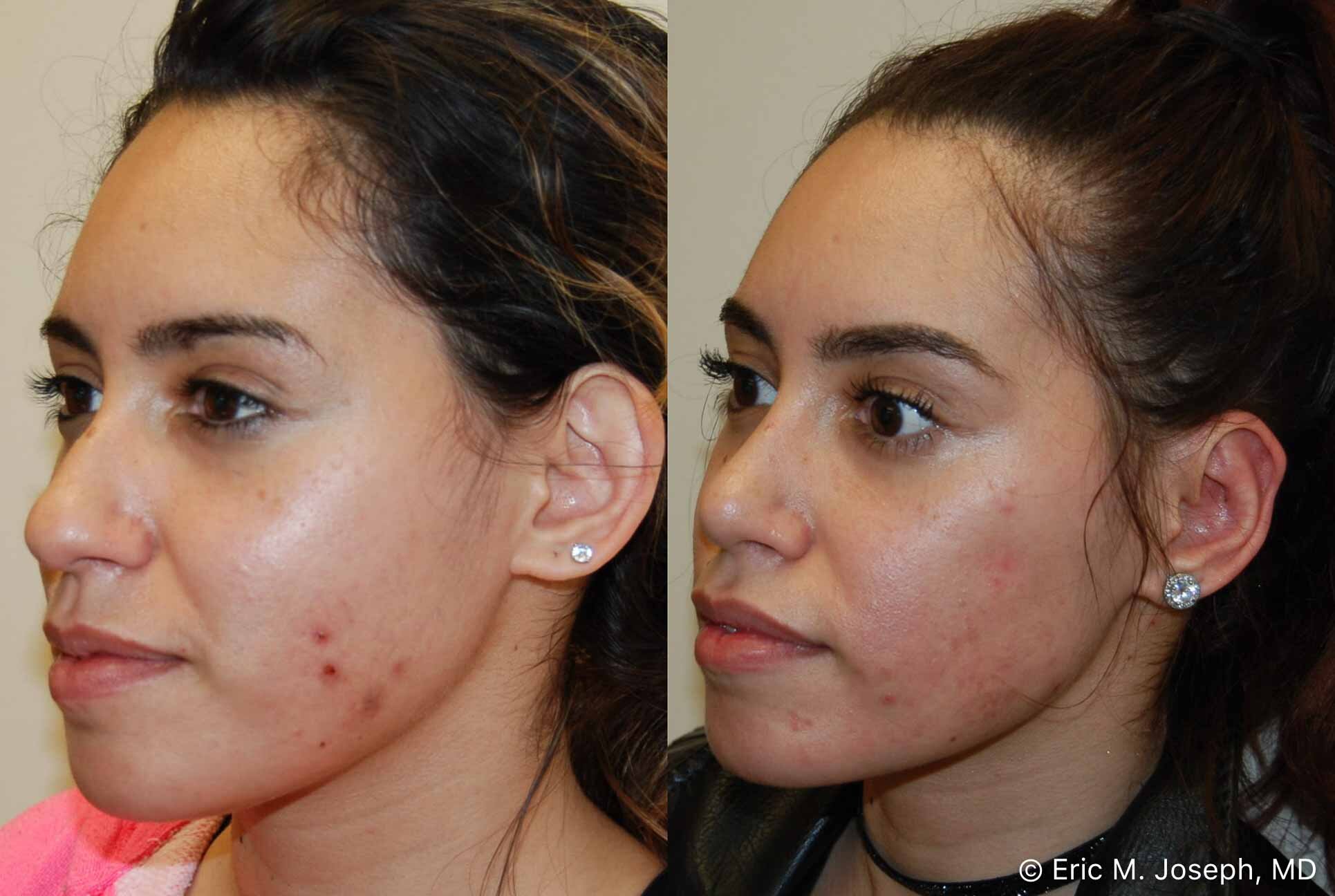
Our beautiful patient had cosmetic and functional concerns after having rhinoplasty surgery performed elsewhere. She disliked her crooked nasal appearance and she had difficulty breathing through her nose on both sides. The base of her nose was crooked from a severely deviated nasal septum, and she had a collapse of her left upper lateral cartilage. The repair included septoplasty, tip reconstruction, and left spreader grafting to restore her nasal function and aesthetics.

Revision Rhinoplasty Before & After: Septoplasty and Dorsal Lowering

Revision Rhinoplasty #14

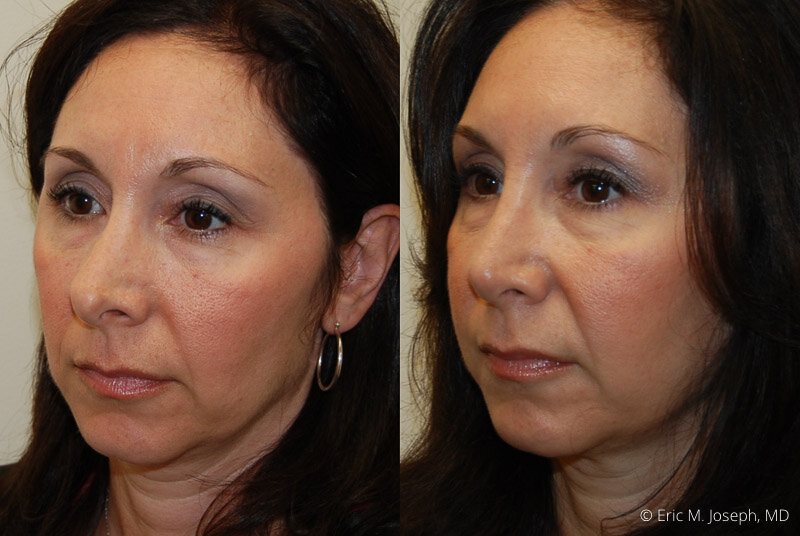
Our lovely patient consulted us after having rhinoplasty surgery performed elsewhere. She had both functional and cosmetic concerns. She had a near-total nasal blockage from a collapsed left internal nasal valve and from a severely deviated nasal septum to the left. She had a classic “poly beak deformity” since her lower dorsal septum was left too high, and she had nasal tip asymmetries from asymmetrical resection of cartilage. The base of her nose was crooked from her deviated nasal septum. Her revision rhinoplasty included septoplasty, tip-plasty, dorsal lowering, osteotomies, and left spreader grafting.